
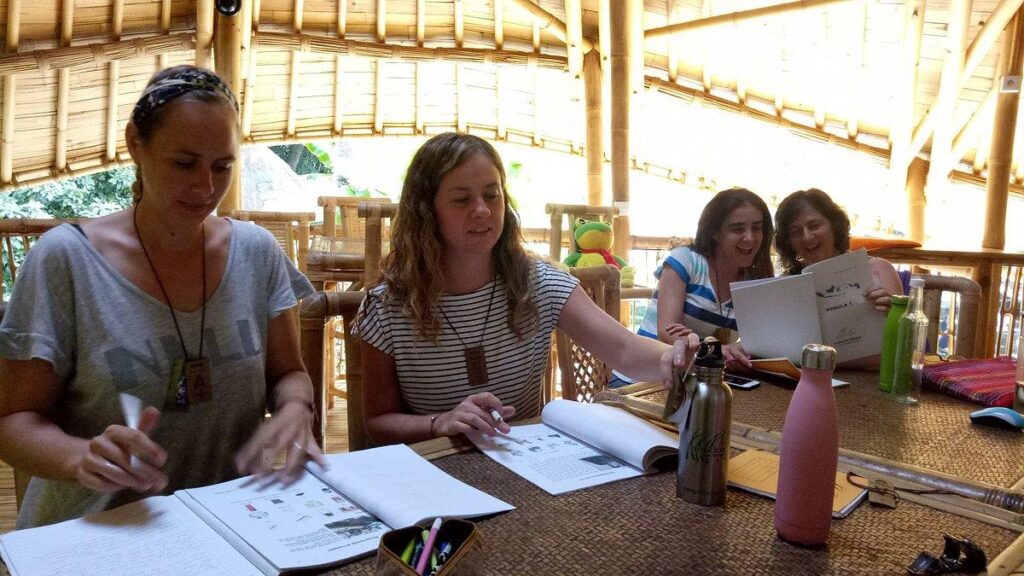
Indonesian Lessons Canggu: Learn Indonesian for Everyday Life in Bali
Living in Canggu offers an opportunity to experience Bali’s vibrant lifestyle, welcoming communities, cafés, markets, and beautiful coastal surroundings. However, learning the local language can make everyday experiences more meaningful. Indonesian lessons Canggu can help expats, digital nomads, travelers, and international residents develop practical communication skills while discovering more about Indonesian culture.
Although many people in Canggu communicate in English, Bahasa Indonesia remains valuable in everyday situations. For example, you can use Indonesian when ordering food, shopping at local markets, arranging transportation, or chatting with Indonesian neighbors. Moreover, learning the language can help you communicate more respectfully and confidently.
Whether you are a complete beginner or already know a few Indonesian phrases, a structured learning approach can help you make steady progress. With practical vocabulary, regular speaking practice, and an understanding of local expressions, you can gradually use Indonesian in your daily life.
Why Learn Indonesian While Living in Canggu?
Canggu attracts international visitors and residents who enjoy its cafés, coworking spaces, beaches, and creative community. Nevertheless, everyday life also involves interacting with local people, businesses, and service providers. Learning Indonesian gives you more ways to participate in these interactions.
Communicate More Easily in Everyday Situations
Simple Indonesian phrases can make routine activities more comfortable. For instance, you can greet shopkeepers, ask for directions, order a meal, or explain what you need at a local business.
Consider these useful expressions:
- Halo — Hello
- Selamat pagi — Good morning
- Terima kasih — Thank you
- Tolong — Please or help, depending on context
- Permisi — Excuse me
- Berapa harganya? — How much does it cost?
- Bisa bantu saya? — Can you help me?
Additionally, understanding numbers, common questions, and everyday vocabulary can help you manage simple transactions and conversations.
Build Better Connections with Local Communities
Language learning involves more than memorizing vocabulary. It also helps you understand how people communicate, express politeness, and build relationships.
For example, learning when to use a greeting or how to ask a question politely can improve everyday interactions. Furthermore, making an effort to speak Indonesian shows that you value the local language and want to engage respectfully with the community.
For broader inspiration about Indonesian destinations and cultural experiences, explore the official Indonesia Travel website.
Understand Local Services and Daily Activities
You may need Indonesian when discussing deliveries, asking about opening hours, buying household supplies, or arranging appointments. Although you can often use English in tourist-oriented businesses, Indonesian becomes especially useful when a conversation involves specific details.
Therefore, learning practical phrases for dates, times, prices, locations, and requests can make daily tasks easier. Over time, these small interactions also create opportunities to practice your language skills naturally.
Who Can Benefit from Indonesian Lessons in Canggu?
Indonesian language lessons can support people with different backgrounds, schedules, and learning goals. The most suitable approach depends on how you plan to use the language.
Expats and Long-Term Residents
If you live in Bali for several months or years, Indonesian can become an important part of your everyday routine. You might want to communicate with neighbors, understand local services, or develop stronger relationships with people around you.
Consequently, regular lessons can help you build a foundation that supports increasingly complex conversations.
Digital Nomads and Remote Workers
Digital nomads often balance work, travel, and social activities. Learning Indonesian can help them navigate daily errands, communicate with service providers, and connect with people outside their international work communities.
For example, you could practice explaining a delivery request, asking about a nearby shop, or arranging a meeting. These practical situations make language learning relevant to your routine.
Travelers and Short-Term Visitors
Even a short visit can become more rewarding when you know a few useful expressions. Greetings, basic questions, and polite requests can help you approach everyday interactions with greater confidence.
Meanwhile, visitors who plan to return to Bali may benefit from establishing a language-learning foundation before their next trip.
Complete Beginners and Returning Learners
You do not need previous experience to begin learning Indonesian. Beginners can start with pronunciation, greetings, numbers, and simple sentence patterns.
Alternatively, learners with some existing knowledge can focus on improving their listening comprehension, expanding their vocabulary, or speaking more naturally. In either case, setting clear goals helps you choose the right starting point.
What Can You Learn in Indonesian Lessons?
Effective Indonesian lessons should help you understand how the language works and how to use it in real situations. Rather than memorizing isolated words, you can build skills through connected topics and practical exercises.
Essential Vocabulary and Pronunciation
First, learn words and expressions that appear frequently in everyday conversations. These include greetings, numbers, directions, food, shopping, transportation, and common questions.
Indonesian spelling also provides helpful clues about pronunciation. However, you still need listening and speaking practice to become familiar with natural speech, rhythm, and intonation.
Sentence Patterns and Questions
Next, learn how to combine words into useful sentences. Indonesian often allows learners to communicate simple ideas without mastering complicated verb conjugations.
For example:
- Saya mau makan. — I want to eat.
- Saya sedang belajar bahasa Indonesia. — I am learning Indonesian.
- Di mana kamar mandi? — Where is the bathroom?
- Saya tidak mengerti. — I do not understand.
- Boleh saya bertanya? — May I ask a question?
These examples provide a foundation for asking questions, expressing preferences, and explaining basic needs.
Polite Expressions and Natural Communication
Polite language helps you communicate appropriately in different situations. Expressions such as permisi, maaf (sorry), and terima kasih can make interactions smoother.
In addition, you can learn how context influences word choice. For instance, a conversation with a close friend may sound different from a conversation with someone you have just met.
As your skills improve, you can practice asking follow-up questions, responding to unexpected answers, and keeping conversations going.
Learning Indonesian for Real-Life Situations in Canggu
One practical way to improve is to connect lessons with situations you encounter regularly. This approach gives you a clear reason to remember each expression.
Ordering Food or Drinks at a Café
Imagine that you want to order a drink. You could begin with a greeting and then make a simple request.
You: Selamat pagi. Saya mau kopi, satu, ya.
Staff: Baik. Mau panas atau dingin?
You: Dingin, terima kasih.
This short exchange helps you practice greetings, ordering, and answering a basic question. You can also learn how to ask about ingredients, prices, or available options.
Shopping at a Local Market
Shopping provides another opportunity to practice numbers and prices.
You: Permisi, berapa harganya?
Seller: Dua puluh ribu rupiah.
You: Baik, terima kasih.
The conversation introduces a common question and a simple response. Furthermore, you can practice numbers before visiting a market so that you feel more prepared.
Asking for Directions
If you need help finding a location, you can use a straightforward question.
You: Permisi, di mana jalan ini?
A more specific option is to ask:
Bagaimana cara ke pantai? — How do I get to the beach?
You may not understand every response immediately. Nevertheless, recognizing familiar words and asking someone to repeat information can help you continue the conversation.
Making Everyday Requests
You may also need Indonesian when discussing deliveries, appointments, or other services.
For example, Bisa tolong ulangi? means “Could you please repeat that?” Meanwhile, Bisa bicara lebih pelan? means “Could you speak more slowly?”
These expressions are particularly useful because they help you manage conversations when you do not understand everything.
How to Choose the Right Indonesian Learning Program
Before choosing Indonesian classes in Canggu or another learning option in Bali, consider your goals and the way you prefer to study. A suitable program should match your current level and help you work toward realistic outcomes.
Define Your Learning Goals
Start by identifying what you want to achieve. You may want to handle daily conversations, communicate at work, understand local culture, or develop stronger speaking skills.
Once you establish your priorities, you can choose lessons that emphasize the vocabulary and communication situations most relevant to you.
Review the Learning Structure
A clear curriculum can help you progress from basic expressions to more complex conversations. Therefore, review the Indonesian learning curriculum to understand the learning structure and consider how it aligns with your goals.
Also, explore the available Indonesian language learning programs to identify an option that may suit your needs. Check the website for current details before making a decision.
Consider Your Schedule and Learning Preferences
Some learners prefer structured lessons, while others value additional speaking practice or a flexible study routine. Consider how much time you can dedicate to learning each week and whether you need support with pronunciation, listening, grammar, or conversation.
Moreover, choose realistic goals that fit your lifestyle. Consistent practice often proves more useful than attempting to memorize too much information at once.
Teaching Methods That Make Learning Practical
A useful learning method connects language knowledge with communication. Instead of focusing exclusively on memorization, combine listening, speaking, reading, and writing in ways that support your personal goals.
Practice Speaking from the Beginning
You can start speaking Indonesian with short, simple sentences. For example, introduce yourself, describe your daily routine, or explain what you would like to buy.
Initially, you may make mistakes or need extra time to respond. However, regular practice can help you recognize familiar patterns and become more comfortable expressing your ideas.
Combine Listening with Repetition
Listening helps you become familiar with pronunciation and common expressions. After hearing a phrase, repeat it aloud and pay attention to the words you recognize.
Additionally, practice the same expression in different contexts. For example, you can use a question about location when asking for a café, shop, or public facility.
Learn Through Meaningful Context
Context makes vocabulary easier to apply. Instead of studying a long list of unrelated words, group them around familiar situations such as ordering food, shopping, or introducing yourself.
You can also explore the website’s Indonesian teaching method to learn more about its approach to language learning.
If you want to see examples before deciding how to continue, explore sample Indonesian lessons. These resources can help you assess whether the lesson style and content match your learning preferences.
Tips for Making Steady Progress
You can make Indonesian part of your routine without setting aside an entire day for study. Instead, use short practice sessions and apply what you learn whenever an appropriate opportunity arises.
Try these practical strategies:
- Practice a little every day. Review vocabulary, listen to Indonesian, or speak aloud for a few minutes.
- Choose a weekly topic. Focus on greetings, food, directions, shopping, or another useful subject.
- Create your own sentences. Use new words to describe your plans, surroundings, and everyday activities.
- Listen carefully. Pay attention to how Indonesian speakers pronounce words and respond to questions.
- Ask people to repeat information politely. Use phrases such as Bisa diulangi, tolong? when you need clarification.
- Review your mistakes. Write down expressions you found difficult and practice them again.
- Respect local customs. Use polite language, pay attention to context, and avoid assuming that everyone has time to practice with you.
Furthermore, keep track of useful phrases you successfully use in real conversations. This simple habit helps you recognize progress and identify what to study next.
For additional language-related information, you can explore resources from Badan Pengembangan dan Pembinaan Bahasa, an Indonesian government institution concerned with language development and guidance.
Frequently Asked Questions About Indonesian Lessons Canggu
Are Indonesian lessons in Canggu suitable for beginners?
Yes. Beginners can start with greetings, pronunciation, essential vocabulary, and simple sentence patterns. As they gain confidence, they can move toward practical conversations and more detailed language skills.
Why should expats learn Indonesian in Bali?
Learning Indonesian can help expats handle daily activities, communicate with local service providers, and build stronger connections with the community. Moreover, it can deepen their understanding of local communication and culture.
What should I learn first when studying Indonesian?
Start with greetings, numbers, polite expressions, common questions, and everyday vocabulary. Then practice combining these words into sentences that match your daily needs.
How can I practice Indonesian outside lessons?
Practice by reviewing vocabulary, listening to Indonesian conversations, writing short sentences, and using familiar expressions in suitable everyday situations. You can also repeat phrases from sample lessons and keep a personal vocabulary notebook.
How can I find a suitable Indonesian learning program?
Begin by identifying your goals, current language level, schedule, and preferred learning style. Then review the program details, curriculum, teaching approach, and sample lessons before contacting the provider for any information you still need.
Do I need to speak Indonesian fluently before visiting local businesses?
No. Basic expressions can help you begin simple conversations, although some situations may require clarification or another language. Focus on polite communication and continue building your vocabulary as you gain experience.
How long does it take to learn Indonesian?
Progress depends on your starting level, goals, study frequency, and opportunities to practice. You can begin using basic expressions relatively early, but broader conversational ability requires continued learning and regular use.
Start Exploring Indonesian Lessons in Canggu
Learning Indonesian can help you make everyday life in Canggu more engaging, from ordering food and shopping to building relationships with local people. In addition, understanding common expressions and cultural context can make your communication more thoughtful and effective.
The best starting point is to identify your goals, explore a suitable learning structure, and practice consistently. You can begin by reviewing the available programs, curriculum, teaching approach, and sample lessons.
If you want to learn more about the options available through Learn Indonesian in Bali, read student reviews for additional perspectives. Then, contact us about Indonesian lessons to ask questions and determine which next step fits your learning goals.
Start with a few useful phrases, keep practicing, and gradually build the skills you need to communicate more confidently in Bali.